Rome sightseeing and popular attractions
Sightseeing
Sightseeing
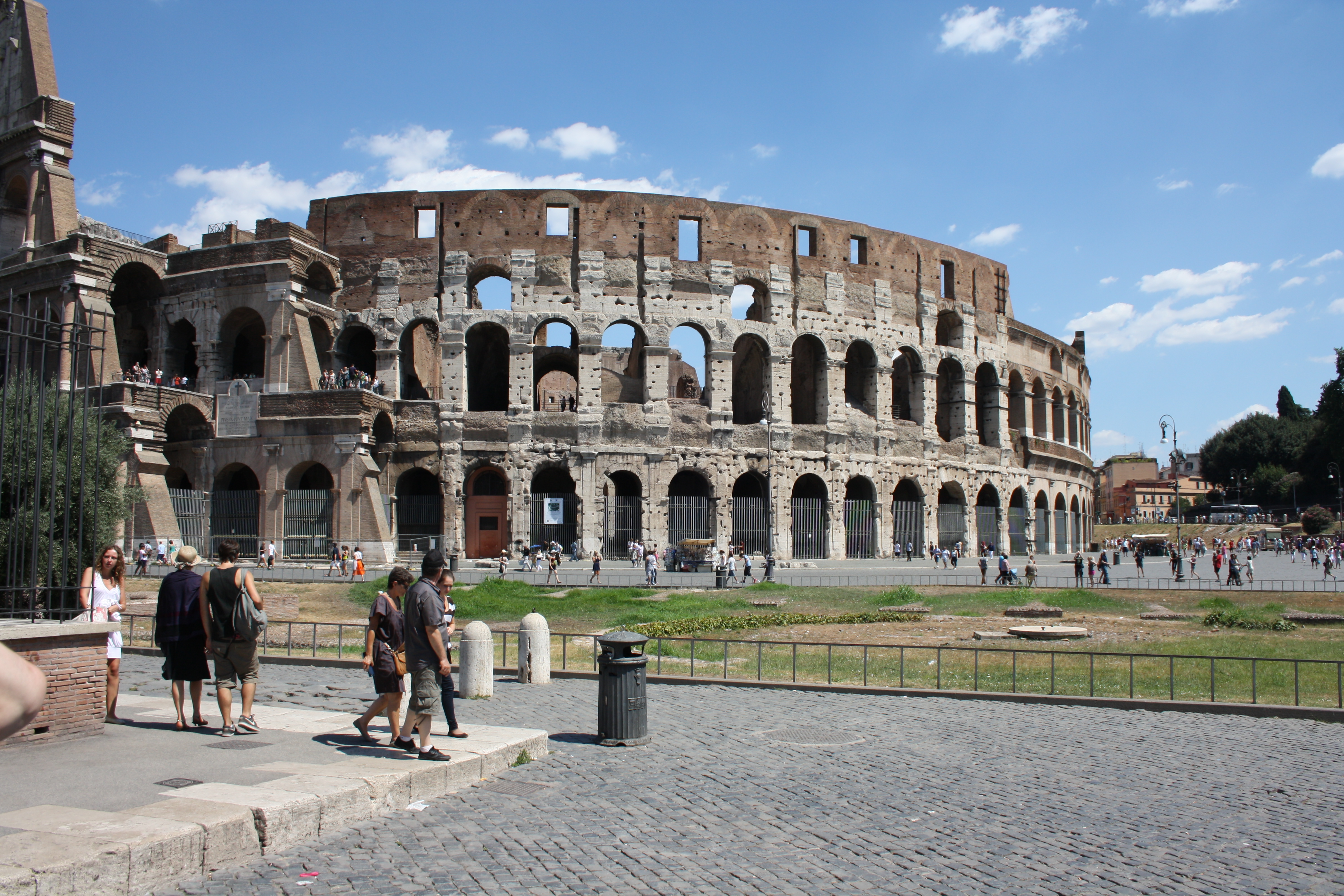
Rome is a cultural city with an ancient history. There are dozen of sites and monuments and things to see in Rome, like the Colosseum, the Pantheon, the Vatican and much more.
read more...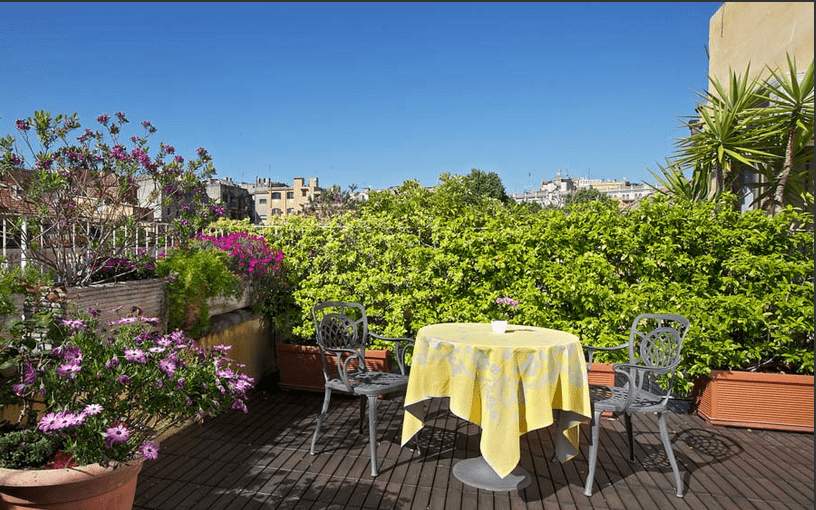
Travel information
Travel information
One of the most important things you need to plan ahead before visiting Rome is to choose the place to stay. We made a preselection of the finest hotels to choose from in various areas of Rome.
read more...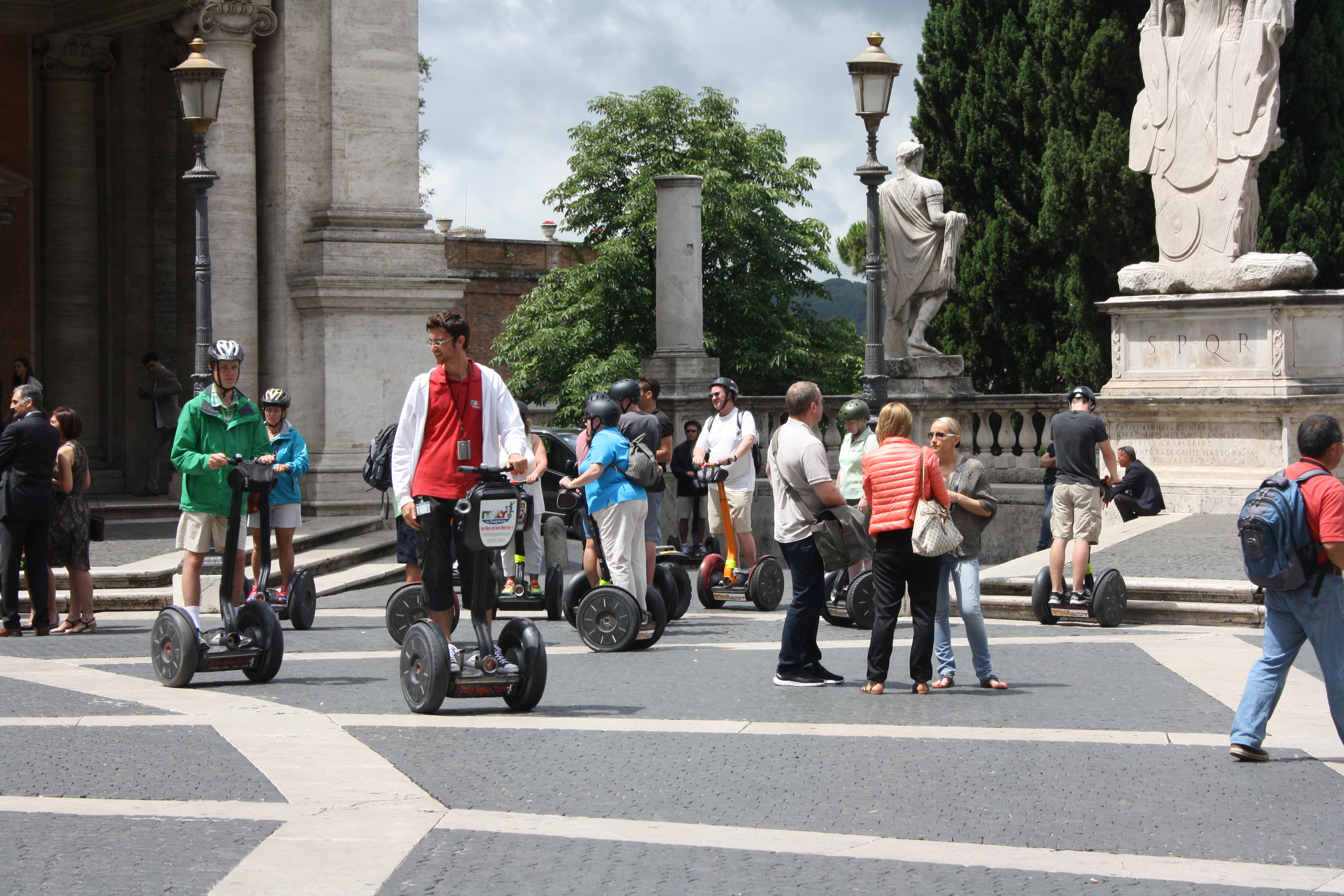
Rome tours
Rome tours
A guided tour in Rome gives a better picture and explanation of things to see and know about Rome. Planning things ahead and getting tickets upfront can save time waiting in long queues, for instance, skipping the line at the Vatican Museum
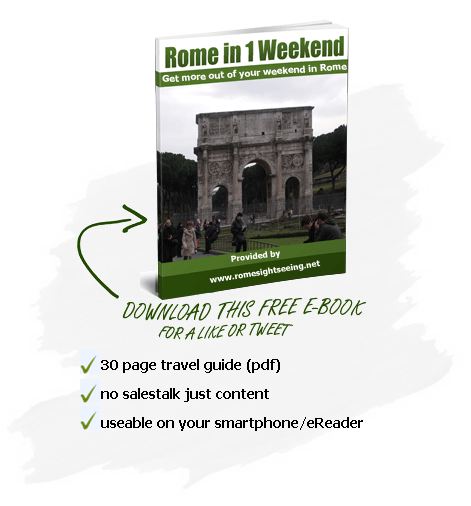
read more...Free E-book: Rome in a Weekend
Your personal travel guide to the incredible sights, sounds, walking
routes, and cultural experiences of one of Europe's most historic cities
A question I often get asked is:
"What sights must you surely see if you only have just ONE weekend in Rome?"
Not an easy question to answer. You probably already have an idea that as the former center of the Western World, Rome is something special. It's a city brimming with history:
- From the hundreds of churches and ancient era buildings, offering a window into the Empire's past
- To the mouth watering smells of fine Italian dining, rich pizzas and layered lasagnas just the very beginning of a tourist's edible delights
- To the friendly, romantic — and exceptionally joyous locales, always with a moment to spare to meet a new traveler.
Latest Articles
Newsflash
There are so many beautiful things to see in Rome.
The decision as to which should you visit first is very subjective and would definitely depend on your own personal preferences. To help you with, we have prepared a list of the top 30 best sights in and around Rome that you may like to visit. Of course, apart from the top 20 sights you can also find plenty of other beautiful attractions in Rome on this site.
01
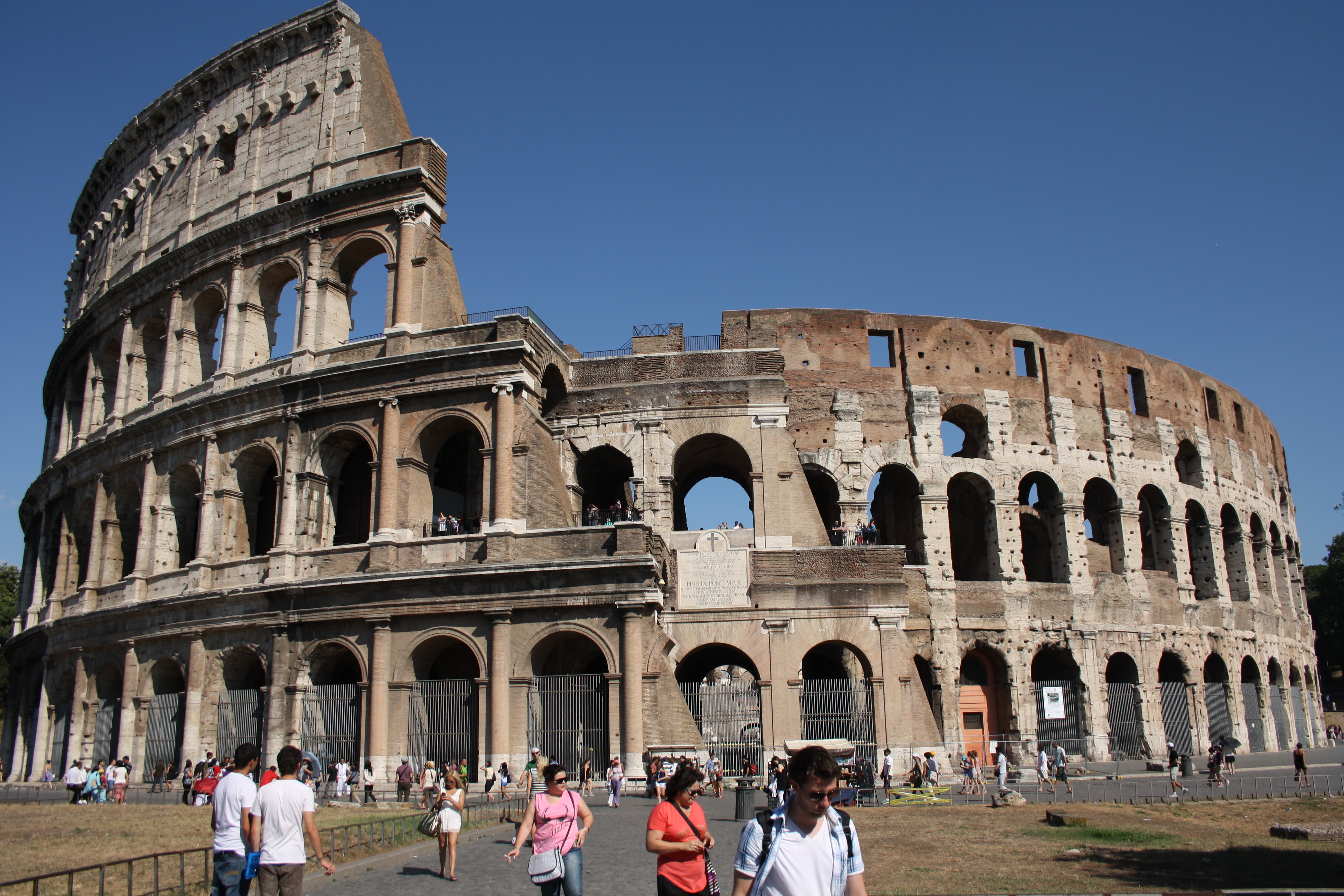
Colosseum
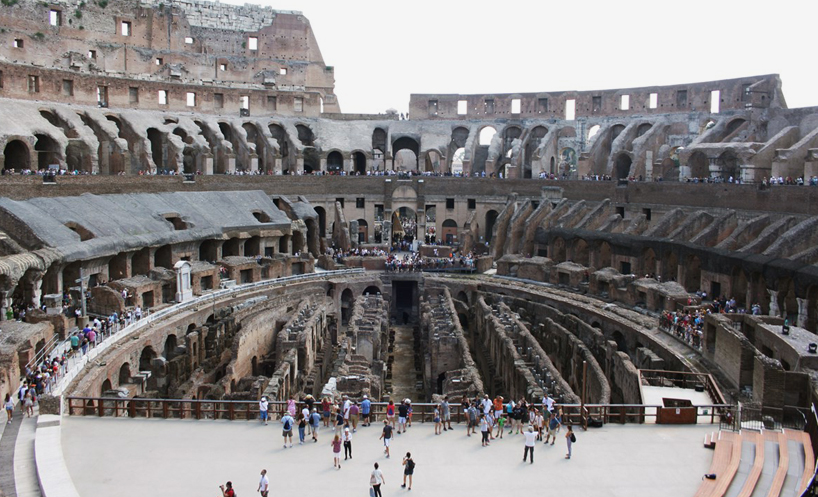
The Colosseum is the best known landmark in Rome. It is also the most gigantic stadium ever built during the Roman Empire era and in fact considered as among the greatest architectural and engineering works of the Romans. The Colosseum is so huge that it can hold as many as 50,000 to 80,000 spectators at a time. This more than 2,000 years old world wonder used to stage gladiatorial battles, political speeches and other public entertainment performances like classical mythology theatrical play.
More information about the Colosseum.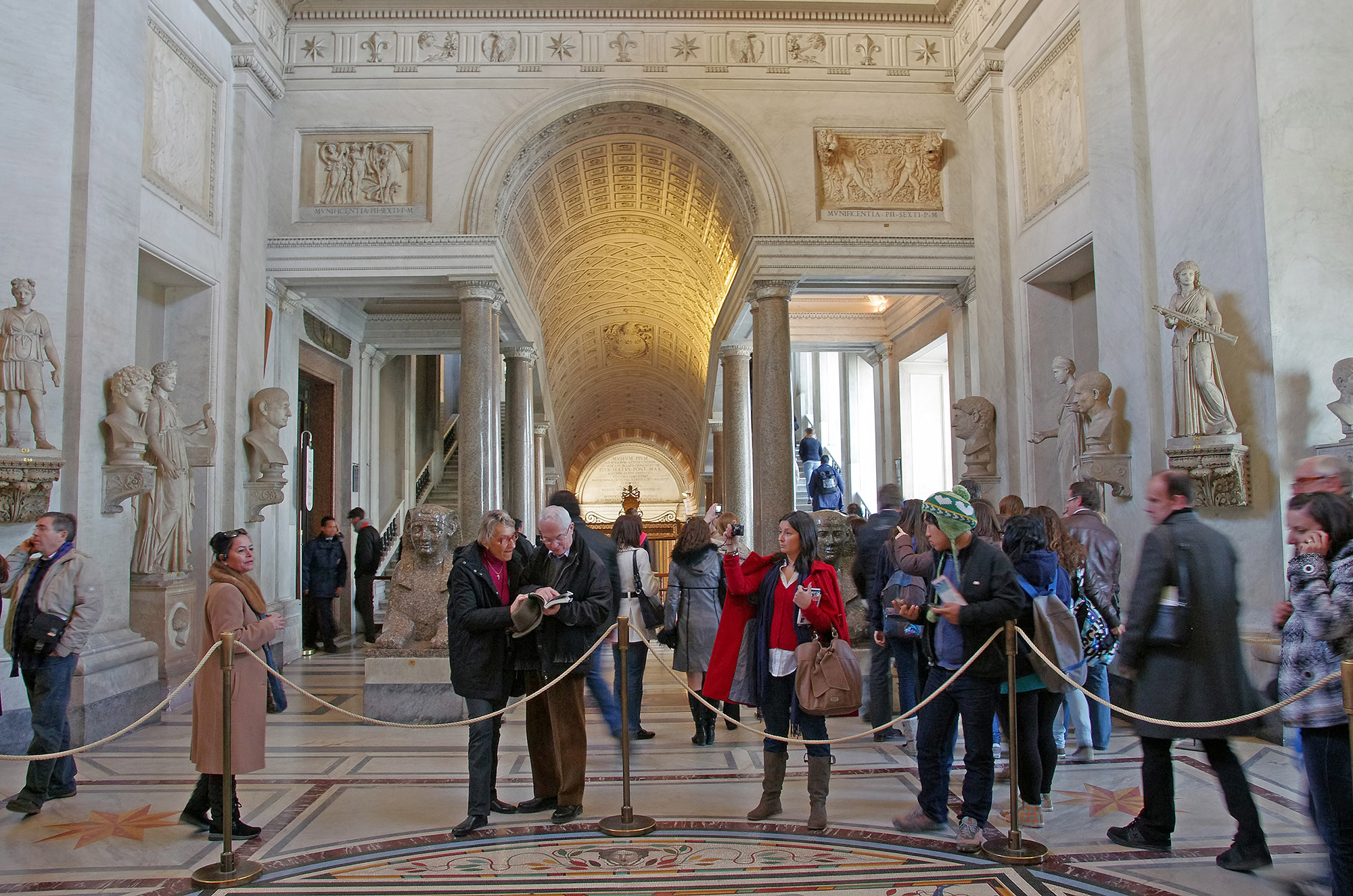
02
Vatican Museum
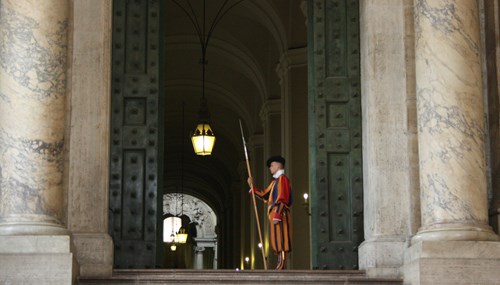
The Vatican may just be a small state but it certainly offers a lot more interesting sites to visit. Among those you can see in this rich, powerful and historically beautiful state are the Sistine Chapel and Michelangelo’s masterpieces like the magnificent paintings of the “Creation of Adam” and the “Last Judgment” at the ceiling of the chapel; the Vatican museum; St. Peter’s Basilica (one among the world’s largest churches) and its great dome; Castel Sant'Angelo (the Mausoleum of Roman Emperor Hadrian); the massive St. Peter's Square; and the Vatican Apostolic Library.
More information about the Vatican Museum or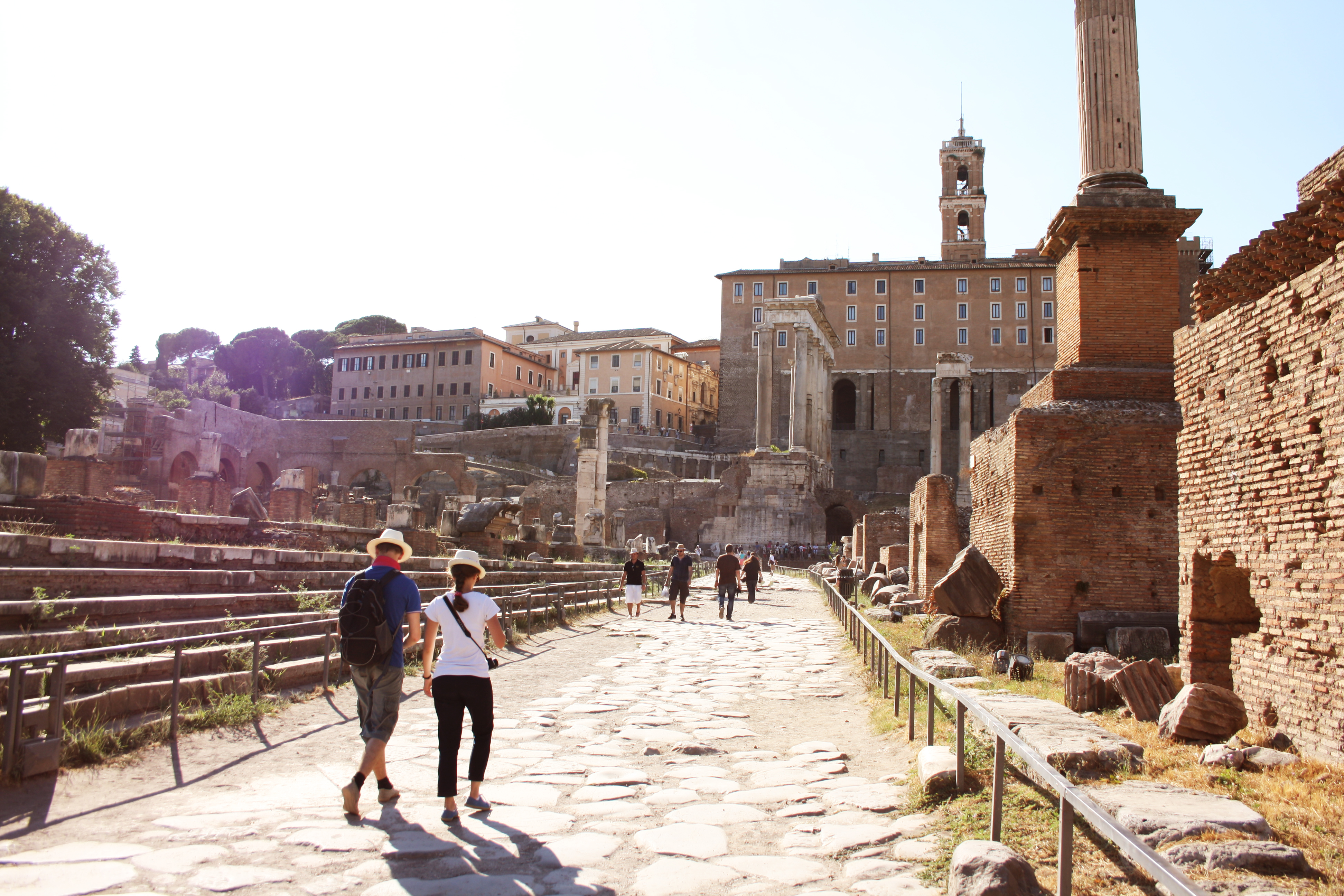
03
Forum Romanum
The Roman Forum, also called in Italian as Foro Romano, served as the center of Roman life in ancient days for a couple of centuries. It was a rectangular plaza that was enclosed by a handful of ruins of various of significant antediluvian government structures. It can be found at the heart of Rome, in Via dei Fori Imperiali, between the Capitoline Hills and the Palatine. It was originally known as a Forum Magnum or a marketplace. For long, it was known as a venue where ceremonial parades and governmental elections were held. Civic activities such as public speaking, gladiatorial battles and prisoner prosecutions were also done at the forum.
More information about the Forum Romanum.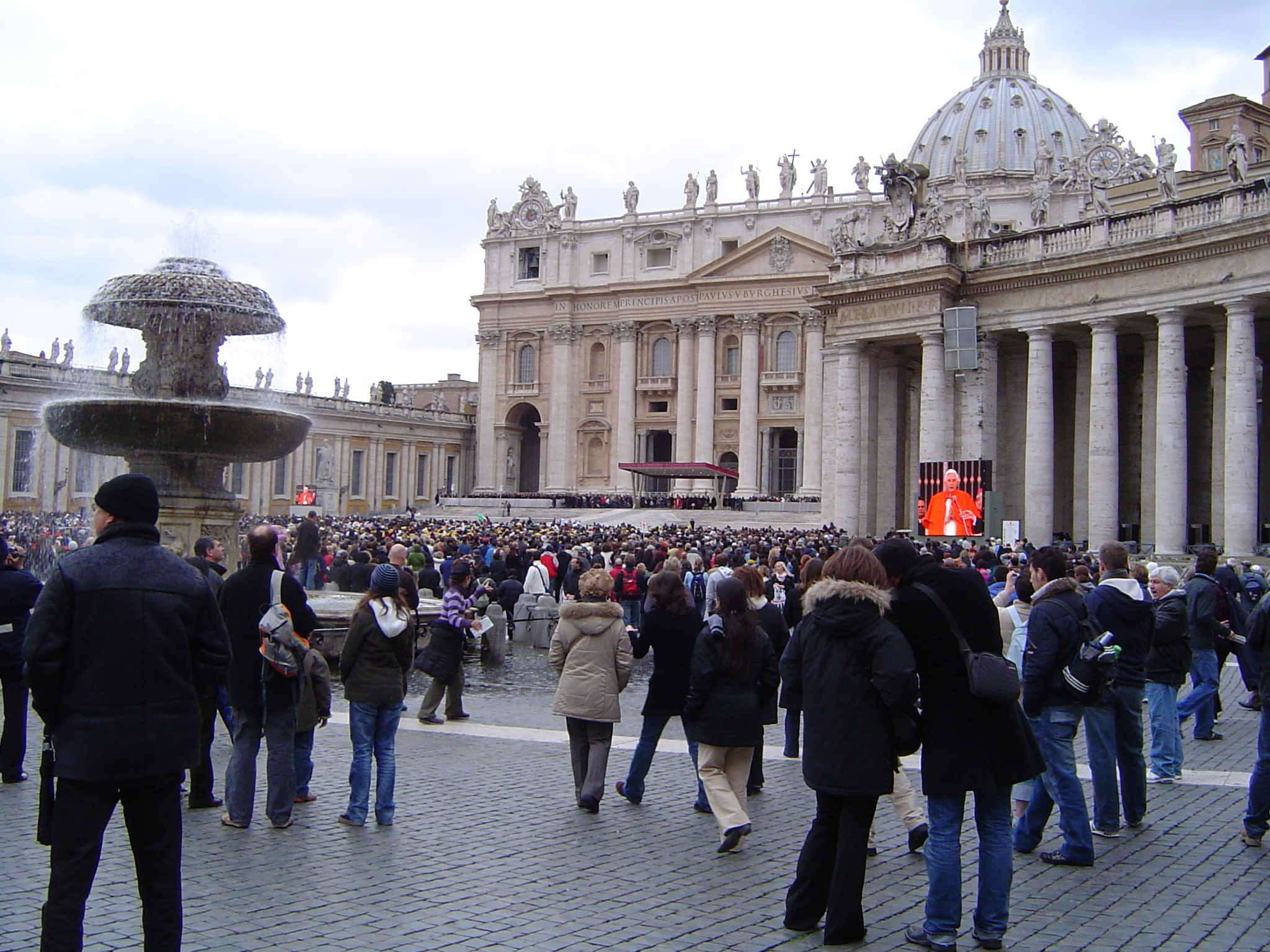
04
Saint Peter’s Basilica
St. Peter's Basilica is also regarded as among the most celestial places on earth. Aside from being known as the greatest of all the Christendom churches, it is likewise popular for being the first of the seven pilgrimage churches in the Eternal City. St. Peter's Basilica was designed by Gian Lorenzo Bernini, Michelangelo, Donato Bramante and Carlo Maderno. It is situated within the walls of Vatican City.
More information about the Saint Peter’s Basilica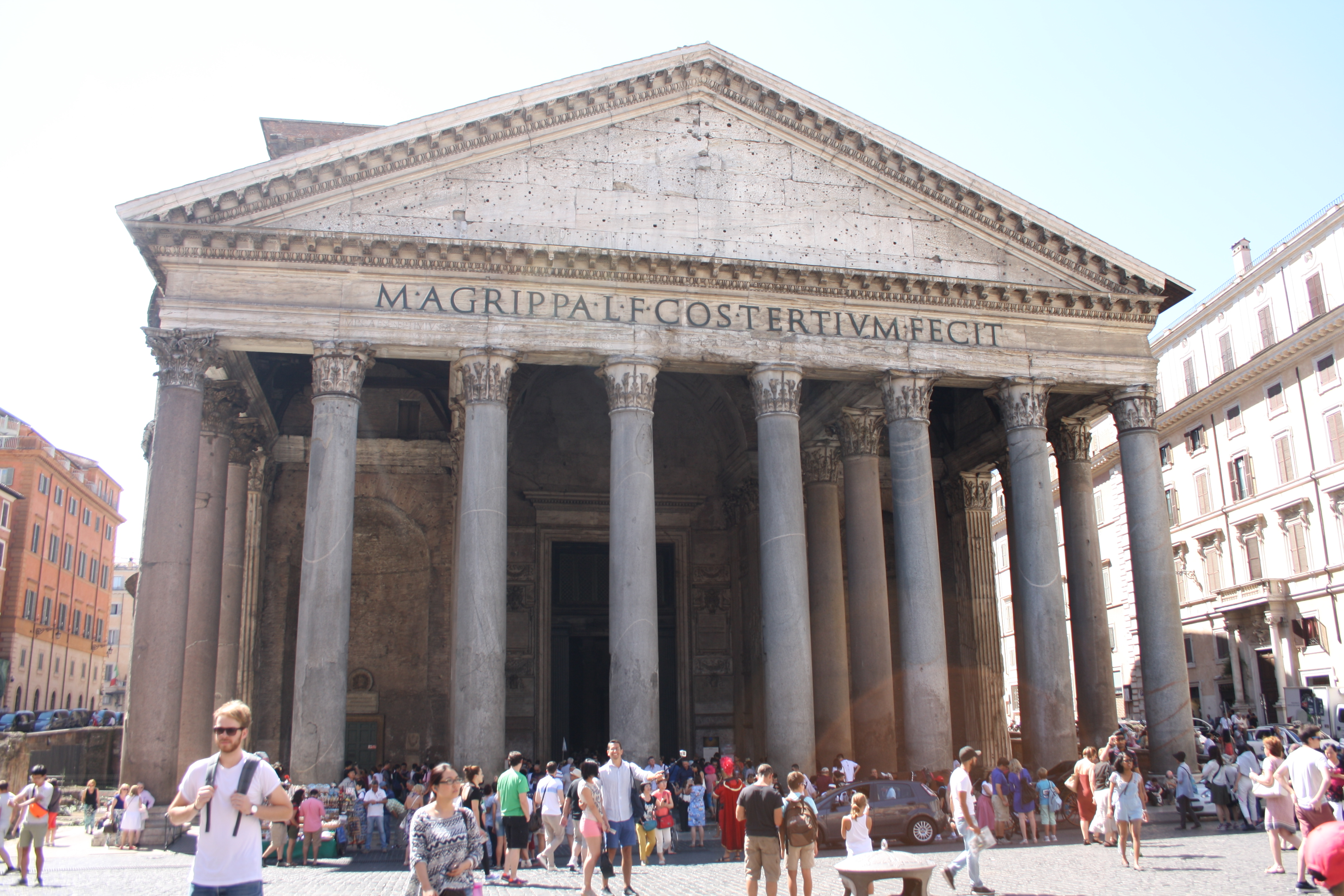
05
The Pantheon
The Pantheon is hailed for its fascinating architectural structure that comprises a series of interconnecting archways. It was originally built over 1800 years ago, in 27 BC. The Pantheon is one among the well-preserved ancient Roman structures that are popularly known worldwide. It was offhandedly identified as "Santa Maria Rotonda" because it was used as a basilica that was devoted to “St. Mary and the Martyrs”. It was also used as the Eternal City’s temple for all the pagan gods. Located at Piazza della Rotonda.
More information about the Pantheon.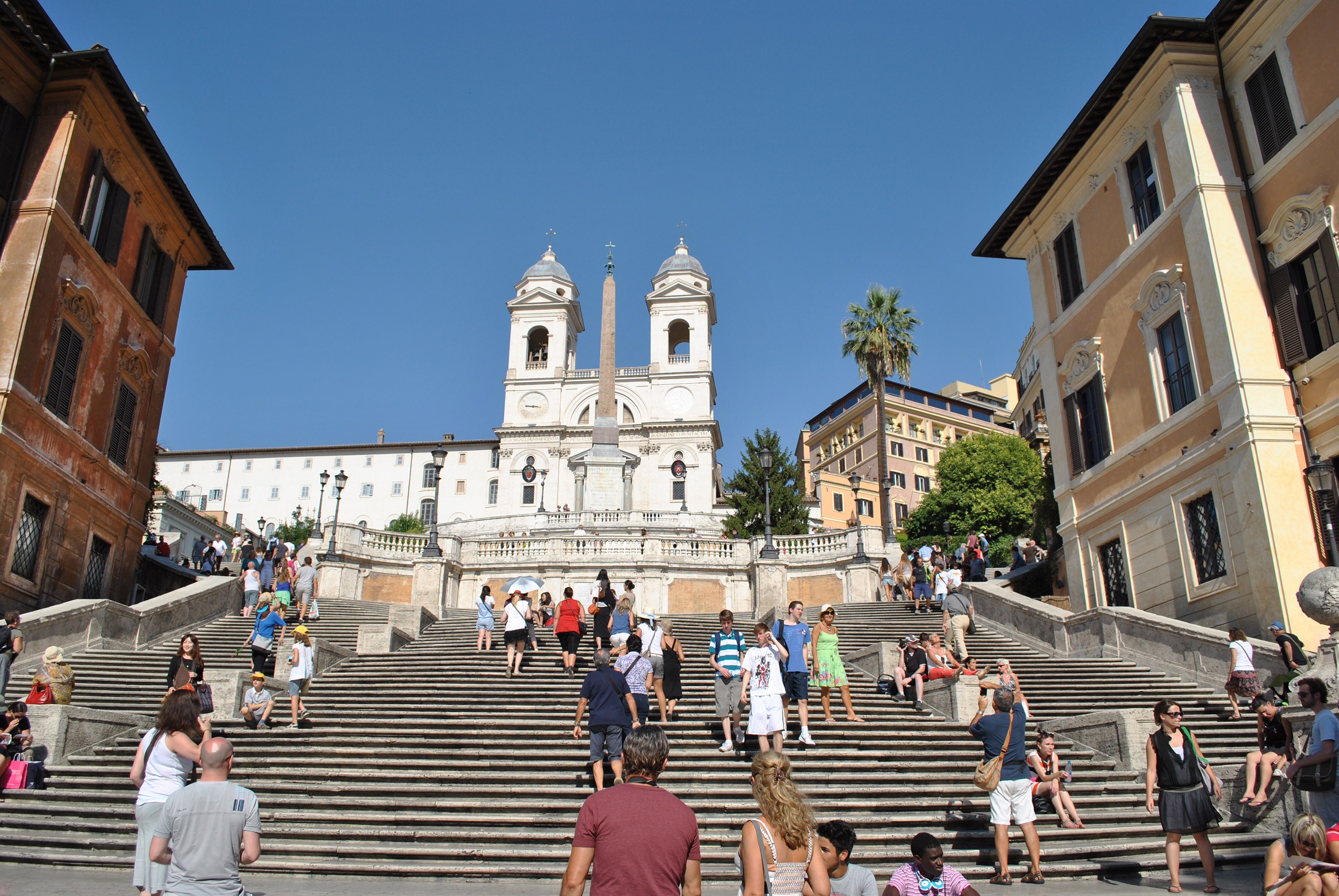
06
Spanish Steps
This well-known monumental stairway is consists of 135 steps with its base set on the ground of Piazza di Spagna and its peak at the Piazza Trinità dei Monti where the French basilica called the Church of Trinità dei Monti is situated. The Spanish Steps is a very cozy place for couples who want to take a romantic moment with each other especially during the daybreak and the twilight. It is also a perfect site for pilgrims, writers and artists to find an inspiration for their masterpiece.
More information about the Spanisch Steps.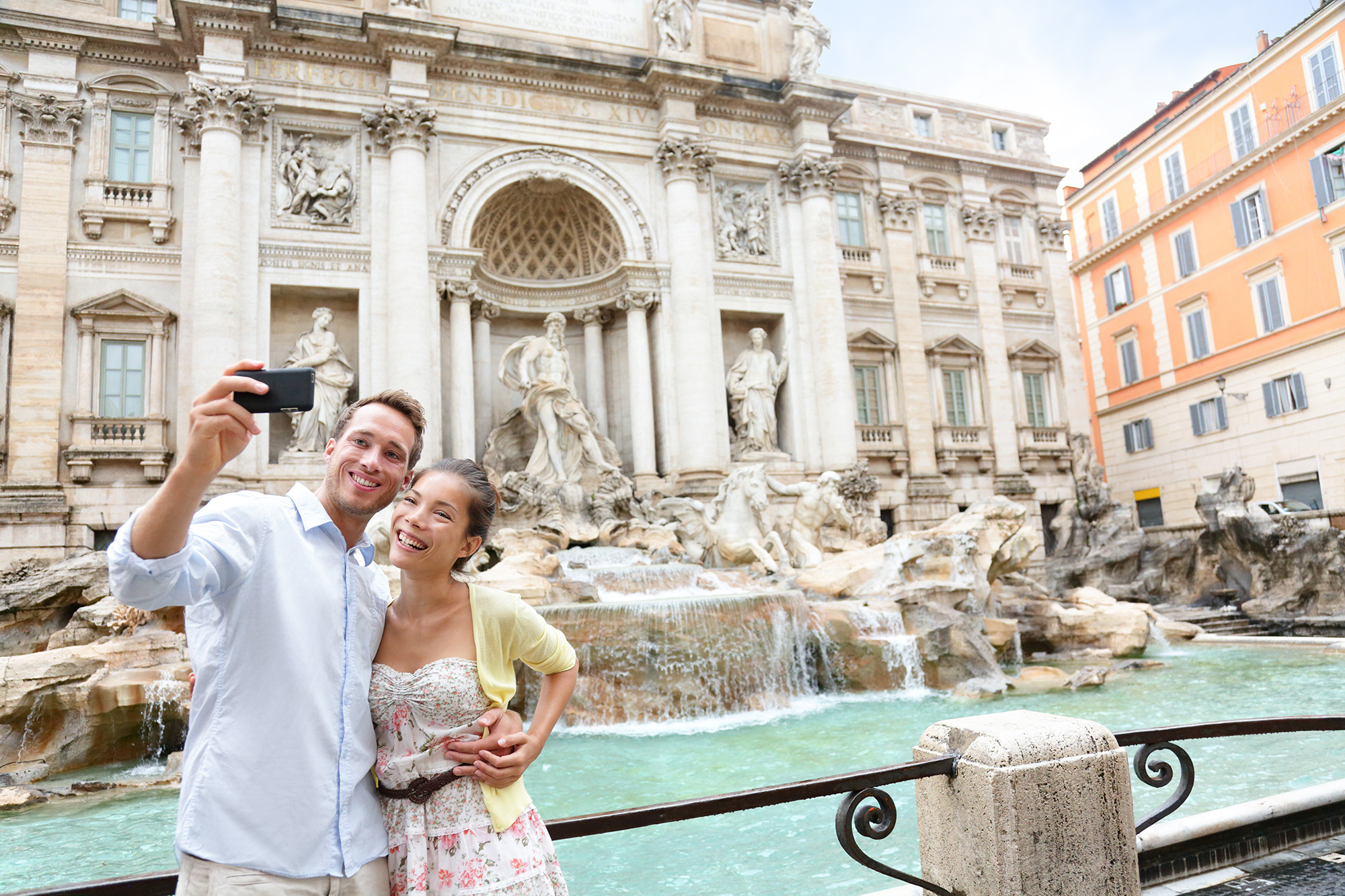
07
Trevi fountain
The Trevi Fountain or Fontana di Trevi is the biggest Baroque fountain in Rome. And is also features in a number of movies. The fountain is popular not only because of its exquisite design but also because of the traditional belief that it can help ensure someone to come back to Rome once he throws in a coin over the water basin. As folks say, a visit to Rome would not be complete without throwing a coin over the fountain.
More information about the Trevi fountain.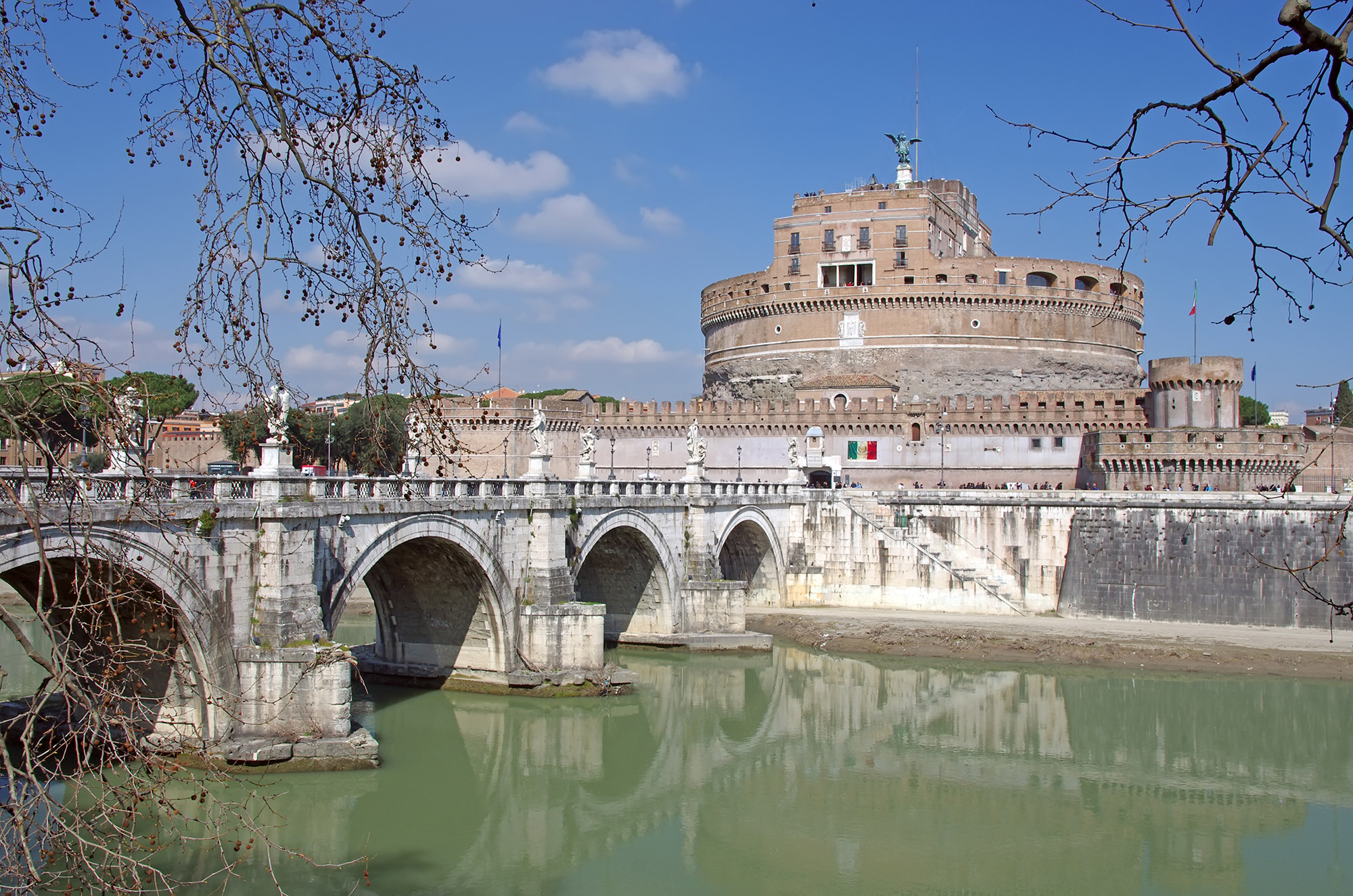
08
Castel Sant Angelo
On a short walking distance from the St. Peter square, we found the magnificent Castel Sant Angelo and the Angels bridge crossing the Tiber. This Castel has an ancient story. At some point, Rome was infected by a pestilence. Pope Gregory, who was the reigning pope at that time, kneeled before God to put an end to the petrifying incident. It was said that the appearance of Michael the Archangel in the middle of the outbreak stopped the Roman nightmare. On the very site where Archangel Michael appeared, Pope Pius II erected a chapel with the savior angel’s bronze statue standing at the top.
More information about the Castel Sant Angelo.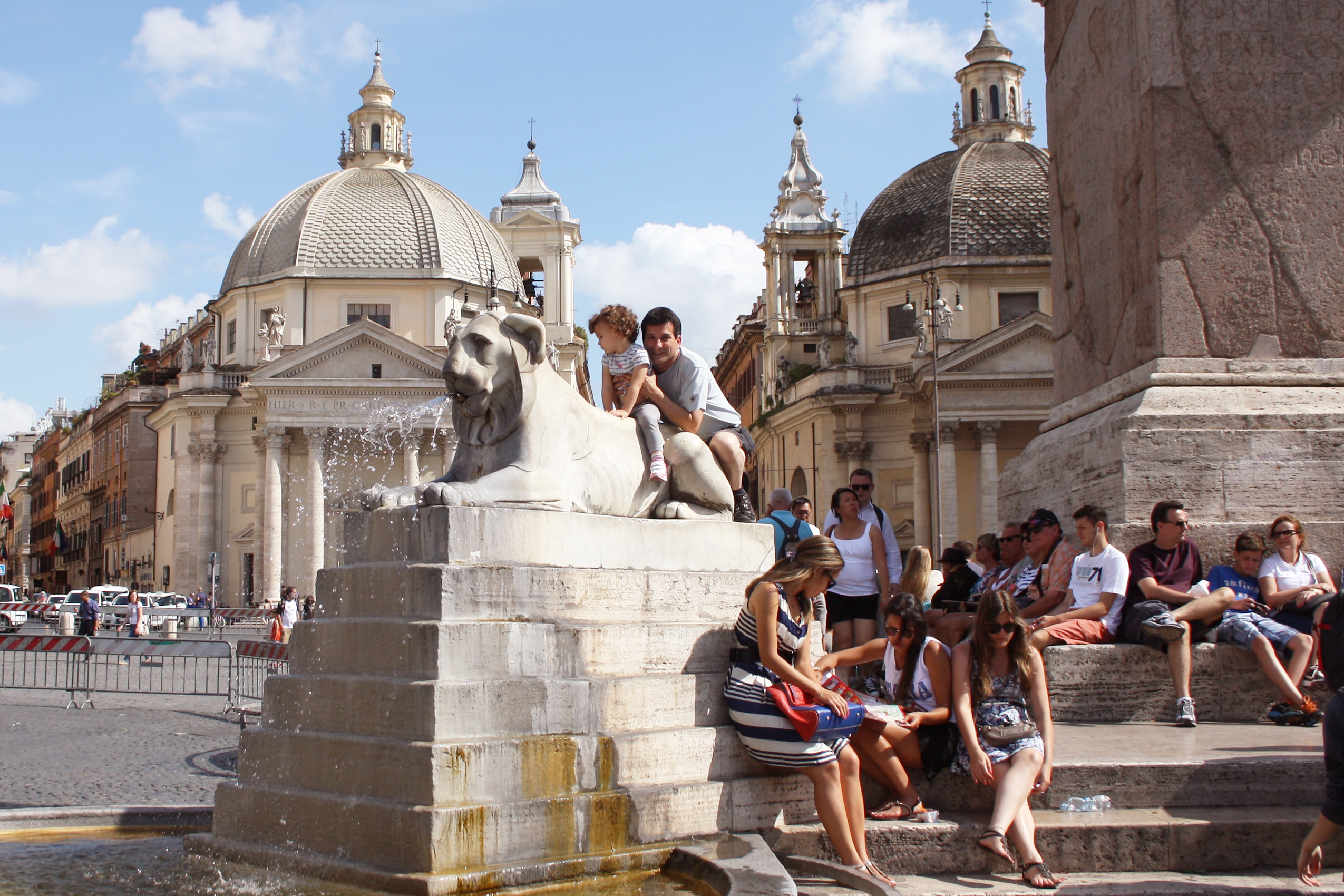
09
Piazza Del Popolo
Piazza Del Popolo consists of a symmetric shaped sphere with surrounding statues, a fountain with lion statues in the center and a view of the Twin Churches. The Twin Churches, the Santa Maria di Montesanto and the Santa Maria Dei Miracoli, are the two identical churches in Rome that are located in Piazza del Popolo. They are set on Piazza del Popolo’s entry to Via del Corso, directly facing the northern part of the entrance of the Aurelian Walls. These two churches are called twin churches because their external appearances literally look very similar although both the details of their exterior design and plan have a couple of differences actually.
More information about the Piazza Del Popolo.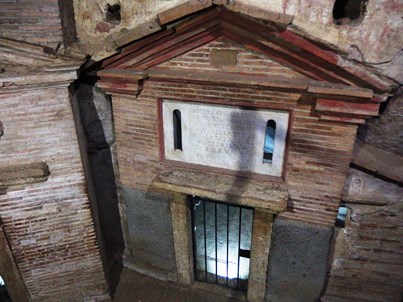
10
The Catacombs
Explore Rome’s deepest and darkest through the catacombs, Rome’s ancient burial and worship sites of the early Christians. Dug in tufa stone underneath the city, there are more than 40 catacombs, stretching approximately 150 kilometers, at various levels. You can visit some of the most interesting ones, such as the Domitilla Catacombs and the San Clemente Basilica, and discover an entire underground world, featuring tombs, shrines, crypts, chambers, chapels, artwork and even fountains. A fascinating journey into the customs of ancient Christianity. An guide can lead you through the mysteries, stories and legends surrounding these unique sites.
More information about The Catacombs.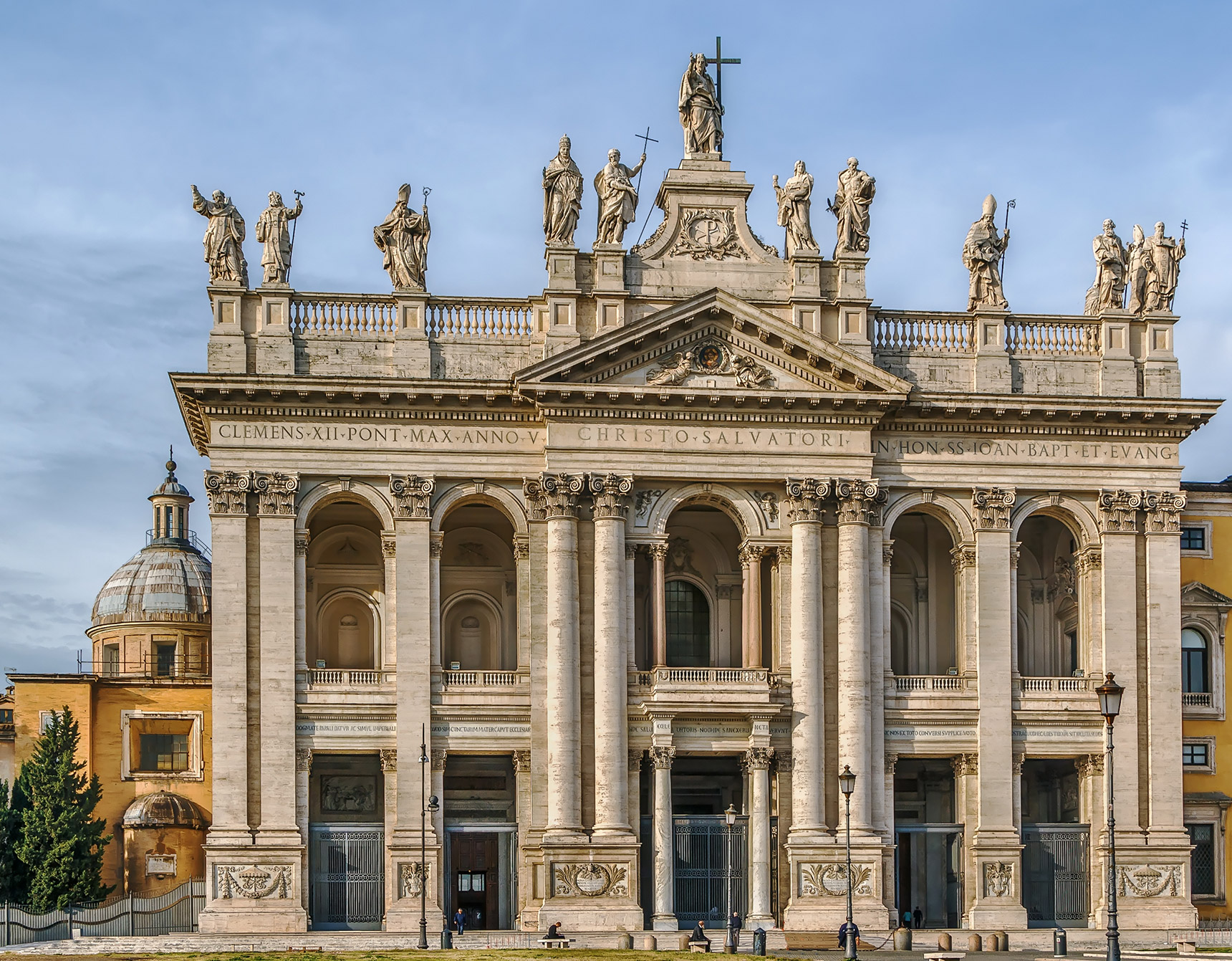
11
St. John Lateran Archbasilica (San Giovanni)
More information about the St. John Lateran Archbasilica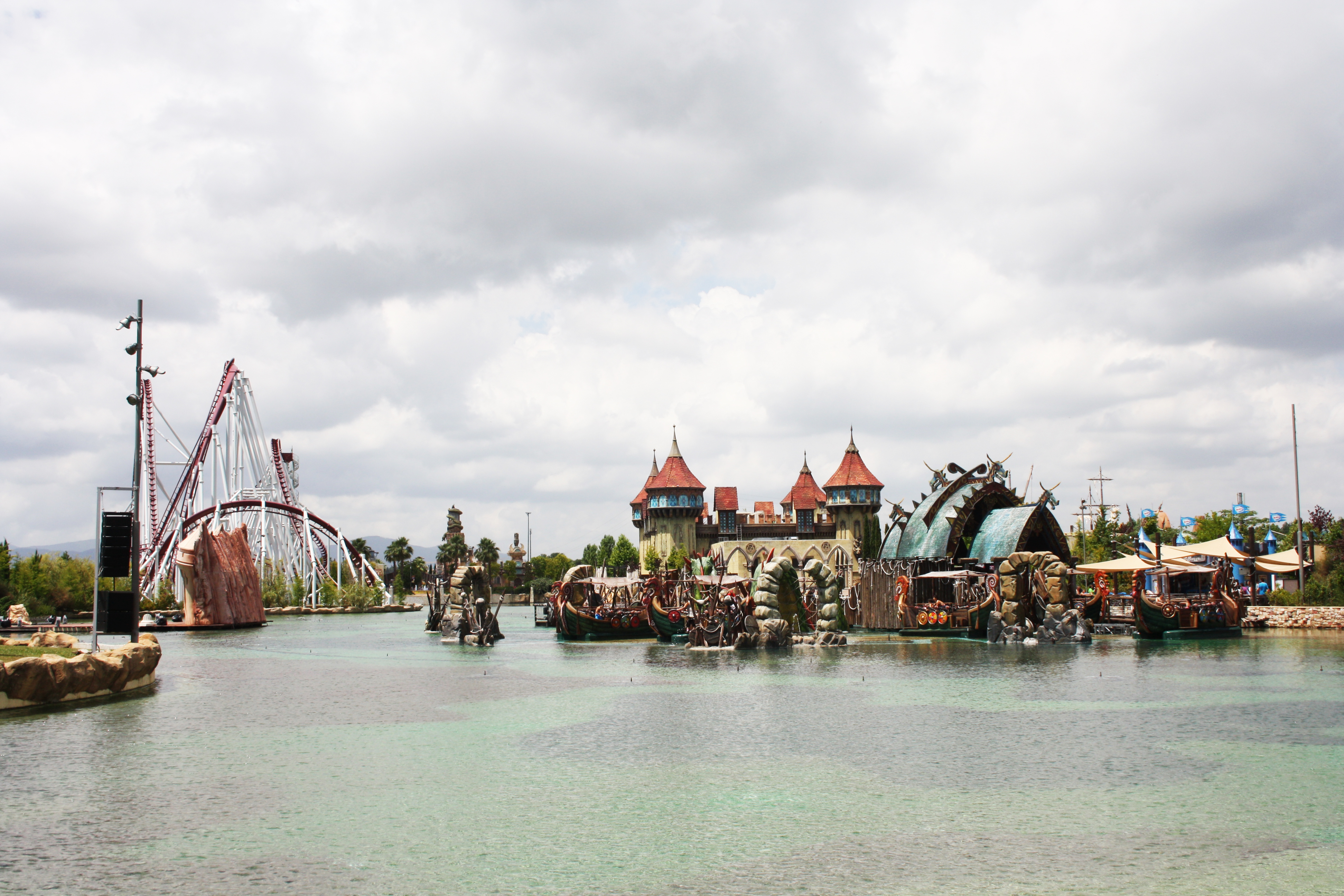
12
Rainbow Magic Land
Rainbow Magic Land is an amusement park in Rome that is especially dedicated to the whole family. It can be found in Valmontone, just 49 kilometers from the historic center of Rome. The Rainbow Magic Land covers a total land area of 600,000 square meters. It features 35 different attractions that both kids and adults will definitely love. Aside from the main attractions, the park also stages ten variety shows of which the most favorites are the very interactive Bombo show, the Winx fairies show, the aquatic ballet and the theater performances.
More information about Rainbow Magic Land.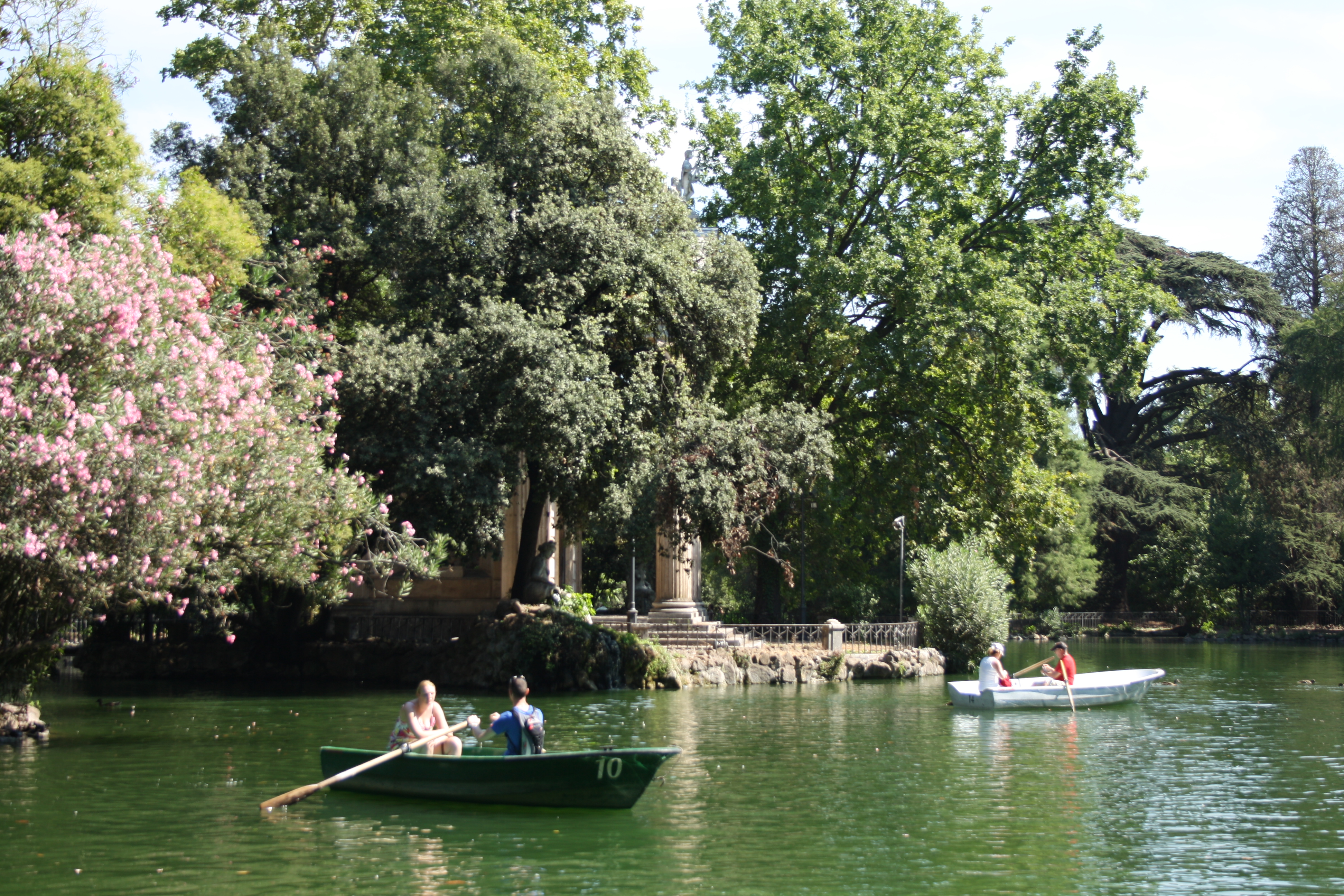
13
Villa Borghese
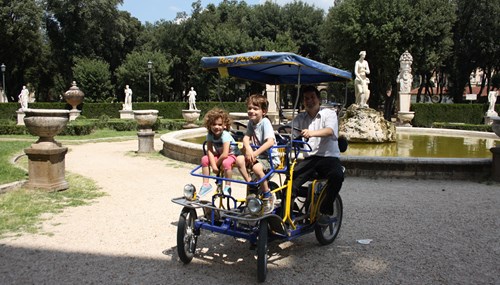
Strolling around this big public park in Rome is one of the most interesting activities you should not miss doing when in Rome. It houses a number of different museums, building, tourist attractions and zoo. Among the interesting spots you can visit in the gardens are the Museo Civico di Zoologia, Giovanni Vasanzio’s Casino Borghese garden, the Galleria Nazionale d’Arte Moderna e Contemporanea, the Museo Pietro Canonica and the home for the French Academy in Rome called the Villa Medici.
More information about Villa Borghese.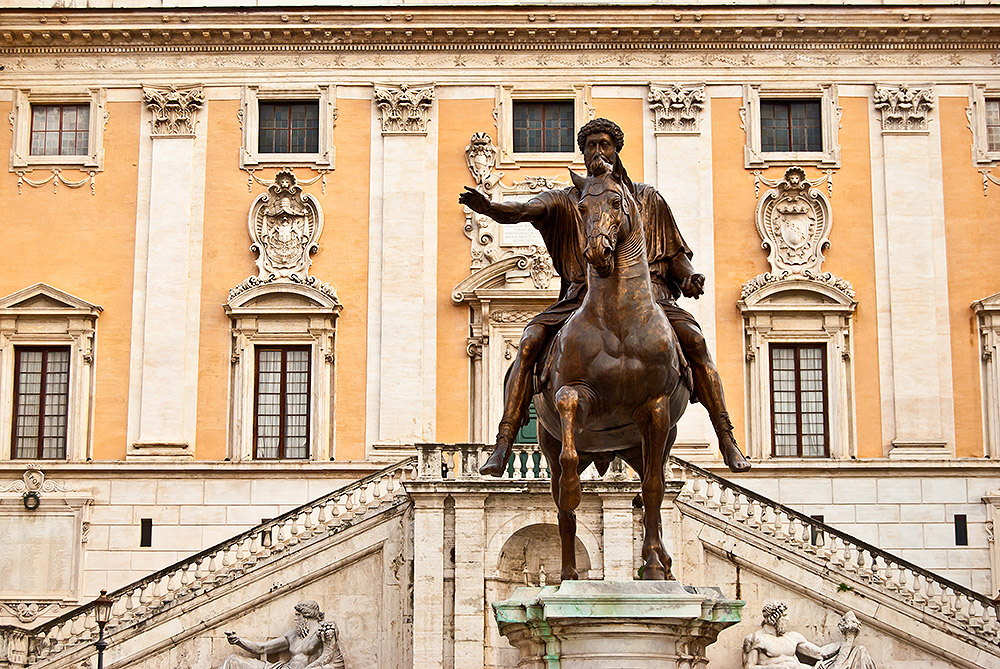
14
Capitoline Museums
Pope Sixtus IV began to build the Capitoline Museums in 1471. Three buildings compose the Capitoline Museums. These group of museums showcases art and architecture collections from Rome in antiquity and the Renaissance. Most of the sculptures are Roman Emperors and great philosophers, one of which the most famous is the Venus Capitolina. The Capitoline Venus is an over-lifesize marble statue of the goddess Venus.
More information about Capitoline Museums.
15
Zoomarine
Zoomarine is a fantastic <a title="Water Parks in Rome" href="https://www.romesightseeing.net/water-parks-rome/" target="_blank">water park in Rome</a> that is located in Torvaianica, Pomezia. It occupies more than 34 acres of both water and land. Among the biggest attractions of this water park are its spectacular exhibitions of various animals. Visitors can be able to enjoy the breath-taking presentations of the ever perennial favorite Dolphins.
More information about the Zoomarine waterpark.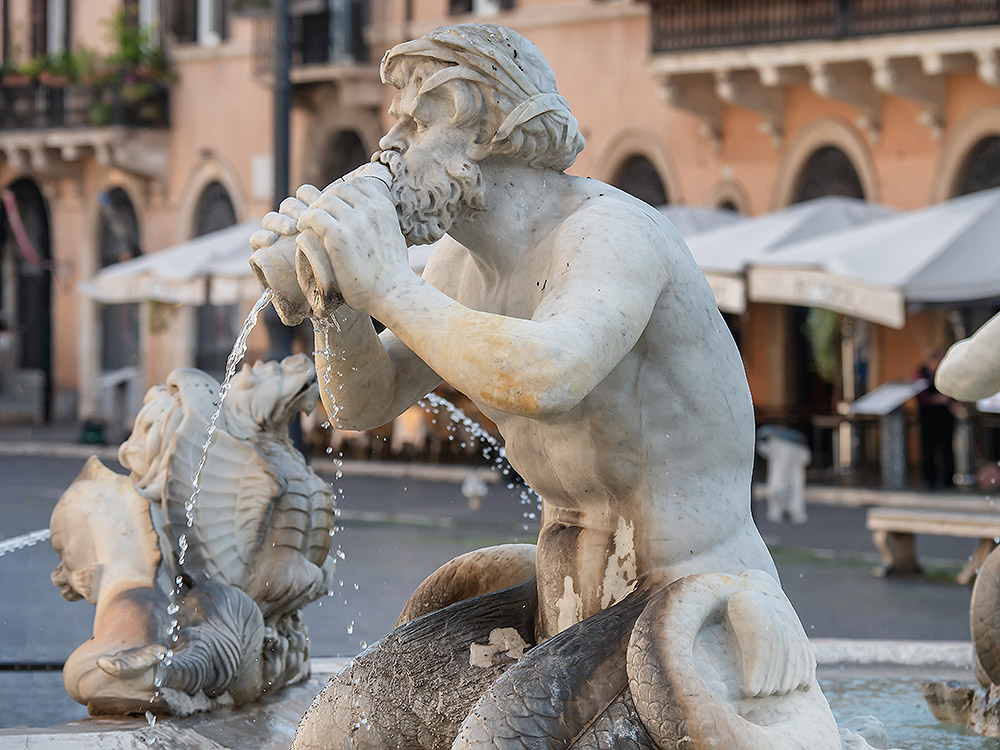
16
Piazza Navona
Piazza Navona offers three magnificent fountains. The Fountain of the Four Rivers, also known as Fontana dei Quattro Fiumi, is one of the greatest, the most popular and the largest works of the famous artist Gian Lorenzo Bernini. The Fontana del Nettuno features the ancient god of the sea Neptune battling against an octopus and surrounded by the sea nymphs. The Fontana Del Moro, or Moor Fountain, is located at the southern end of the Piazza Navona and takes its name from the group of figures representing an Ethiopian fighting with a dolphin, which is my favorite see photo.
More information about Piazza Navona.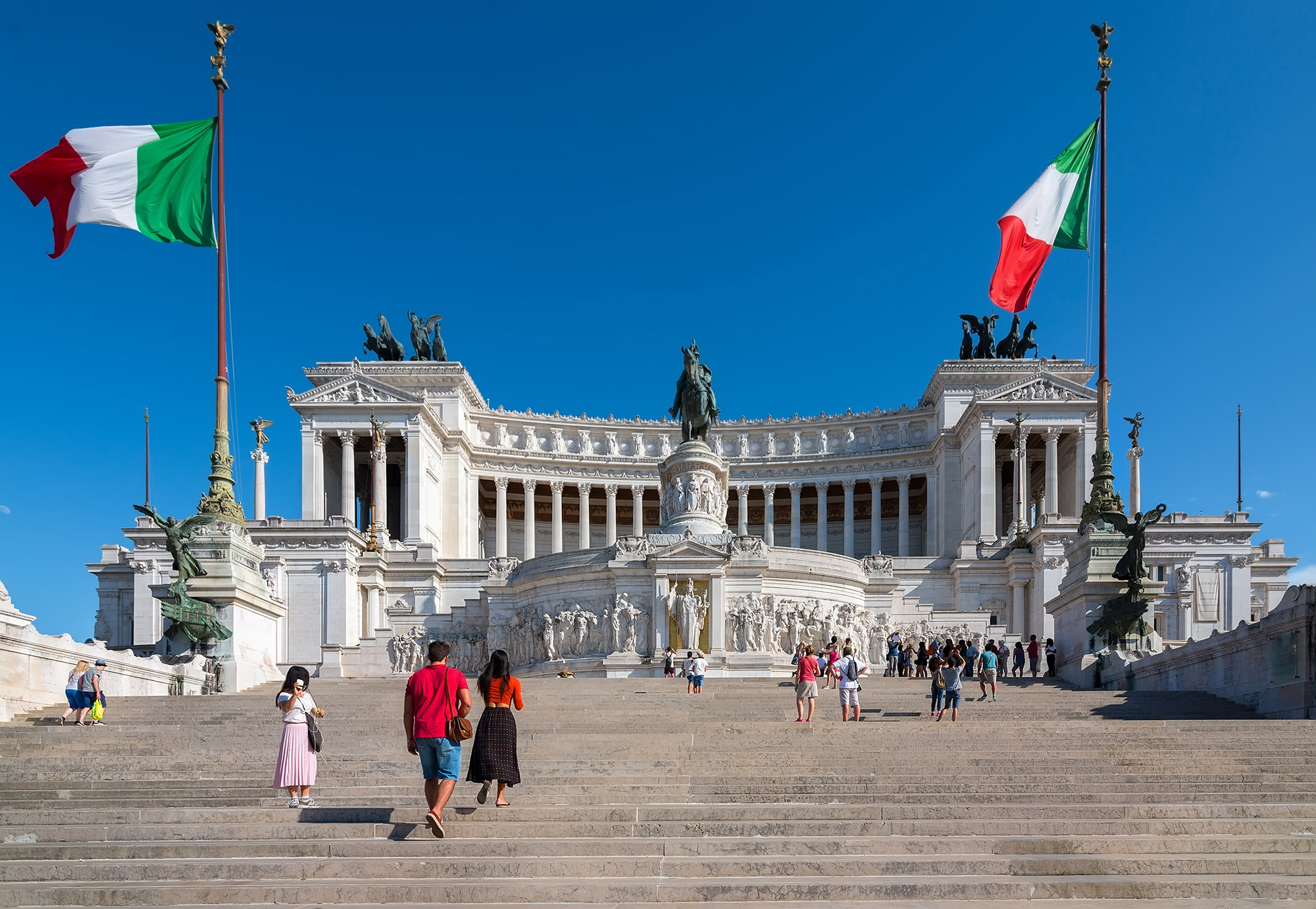
17
Victor Emmanuel 2
The National Monument of Victor Emmanuel II (Monumento Nazionale a Vittorio Emanuele II) is a remarkably large building made of white marble. This monument was built in honor of Victor Emanuel II. Its color stands out in an array of earth-colored buildings. The focal point of the monument is the statue of a horseman. This is made to be a representation of Victor Emanuel II. It was completed in 1889 and was inaugurated in1911. Inside you find the Altar of the Fatherland, this is where the tomb of an unknown soldier is found. And also a war museum is found inside this building. What I love most however is the bar on the first floor which offers the best aerial view of ancient Rome you can find.
More information about the Victoria Emanuelle 2.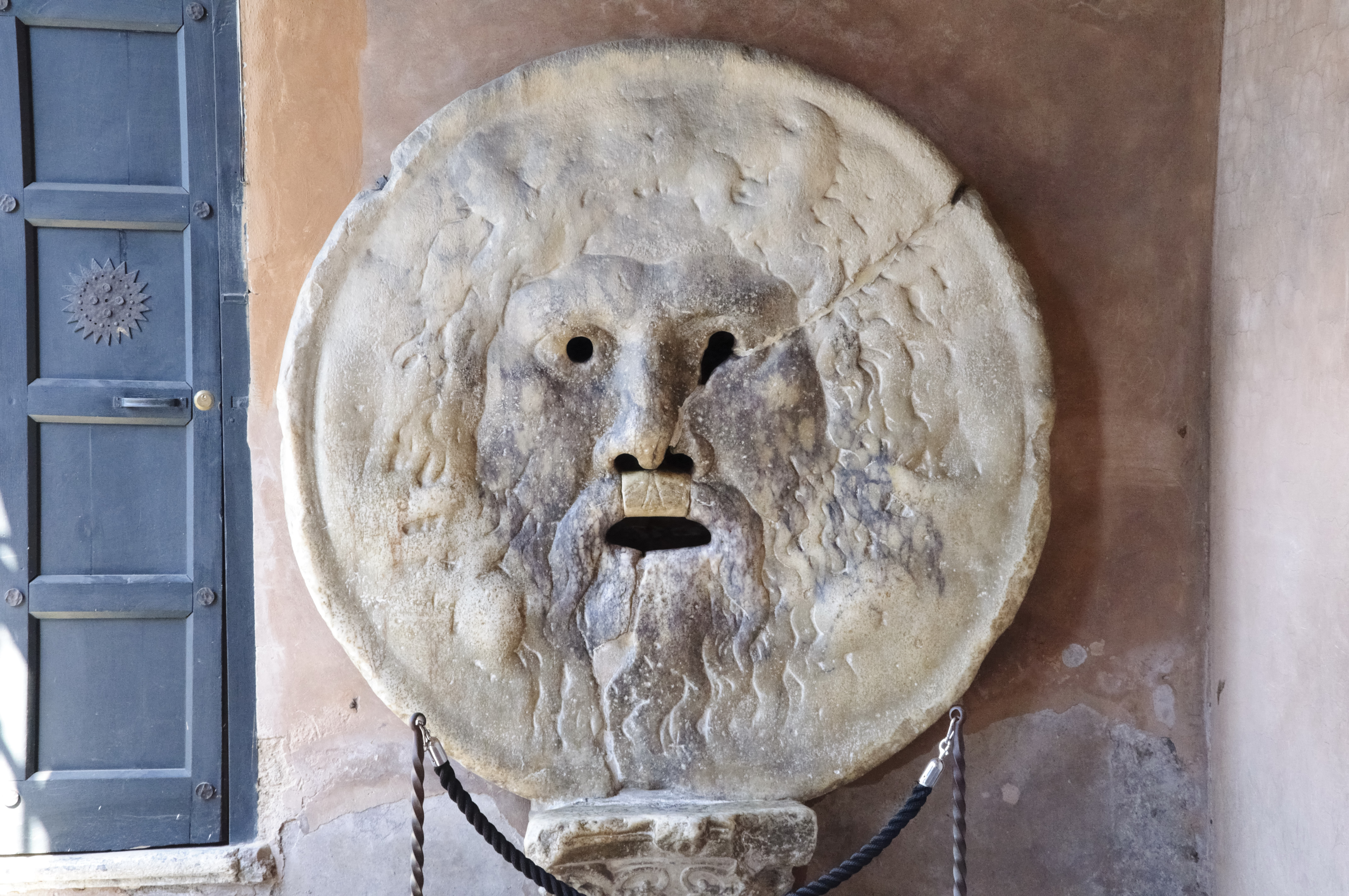
18
The Mouth of Truth
La Bocca della Verità, popularly called in English as the Mouth of Truth, is one of the interesting sculptures in Rome. It was believed that if a person is telling the truth, the mouth will never move a muscle. However, if the person is telling a lie, the mouth would close and then cut off the hand of that person.
More information about Mouth of Truth.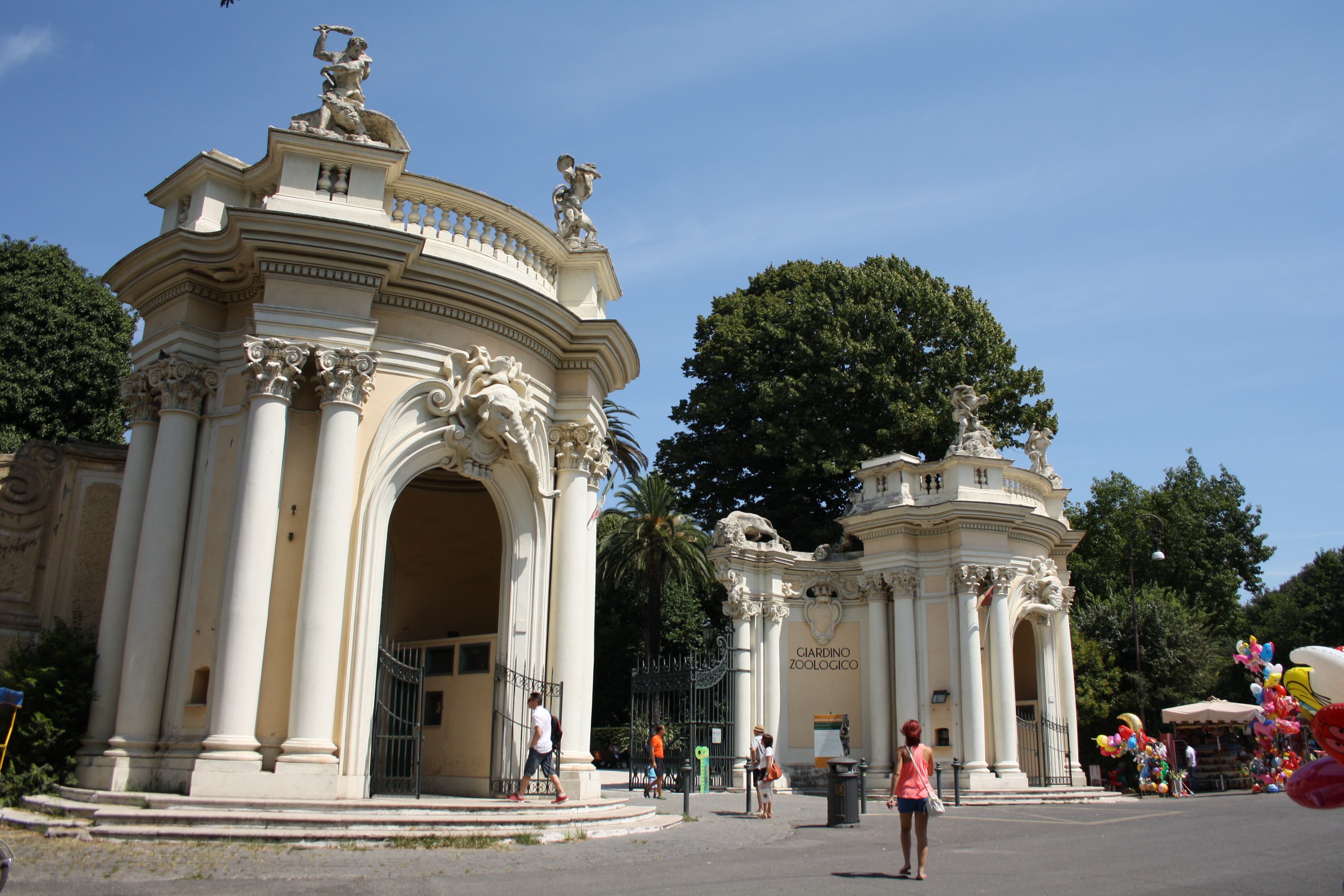
19
Bioparco Zoo
The Giardino Zoologico di Roma, also popularly known as the Bioparco di Roma or simply Bioparco, is a 42 acres enchanting zoological garden in the Eternal City. It is set on a portion of the original area occupied by the Villa Borghese estate. The Bioparco zoo houses as many as 1114 creatures of 222 different species.
More information about Bioparco Zoo.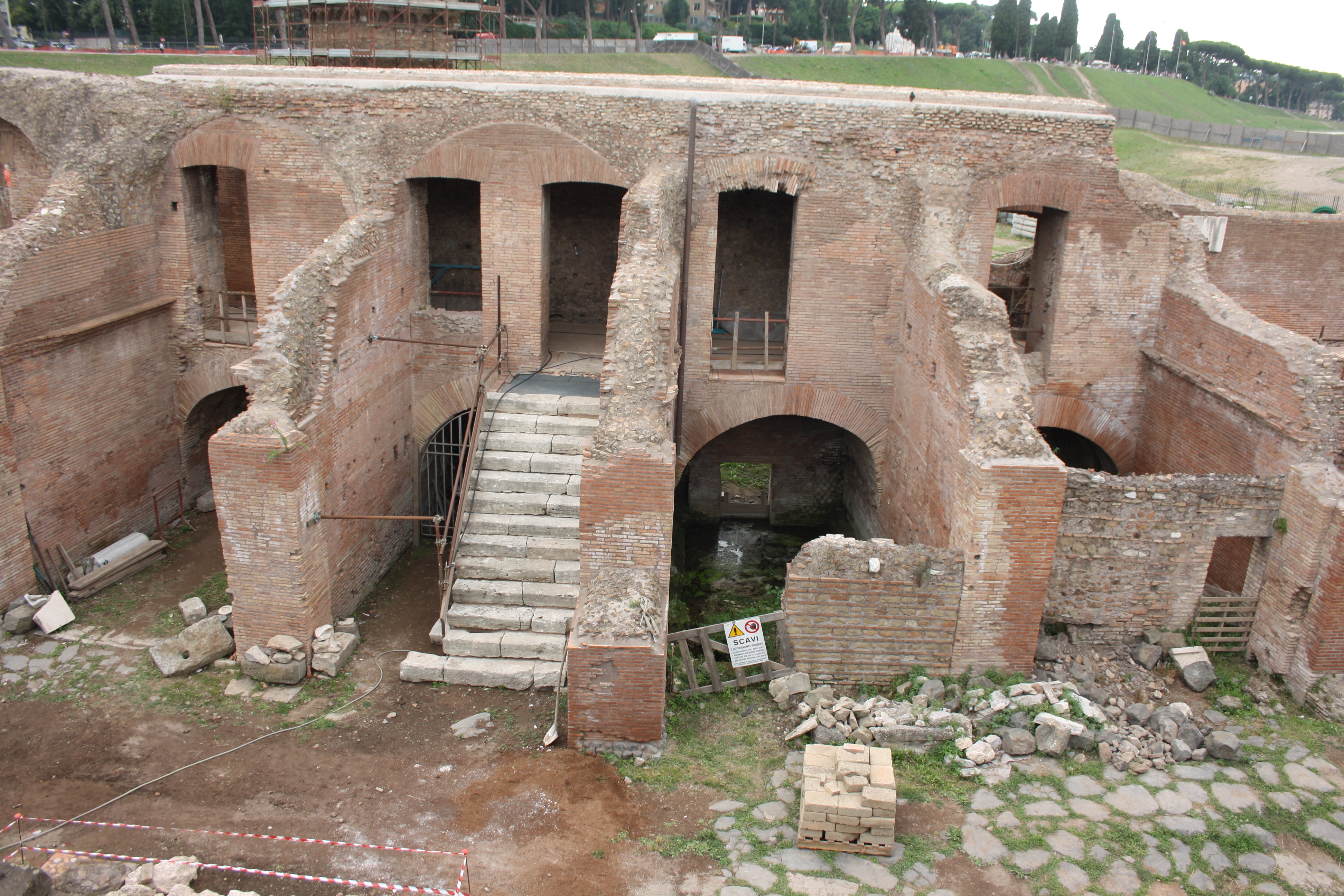
20
Circus Maximus
The Circus Maximus was once a stadium, now a renowned public park. It used to be a huge stadium in Rome dedicated to chariot racing. It is located in between the Palatine Hills and the Aventine Hills. The Circus Maximus is known to be the very first and the most gigantic arena in ancient Roman times. It can accommodate as many as 250,000 spectators and more at one setting. Its dimension is 118 meters in width and 621 meters in length. Because Circus Maximus has historical importance it just had to be on this list, unfortunately only a small part is reserved and still in good shape.
More information about Circus Maximus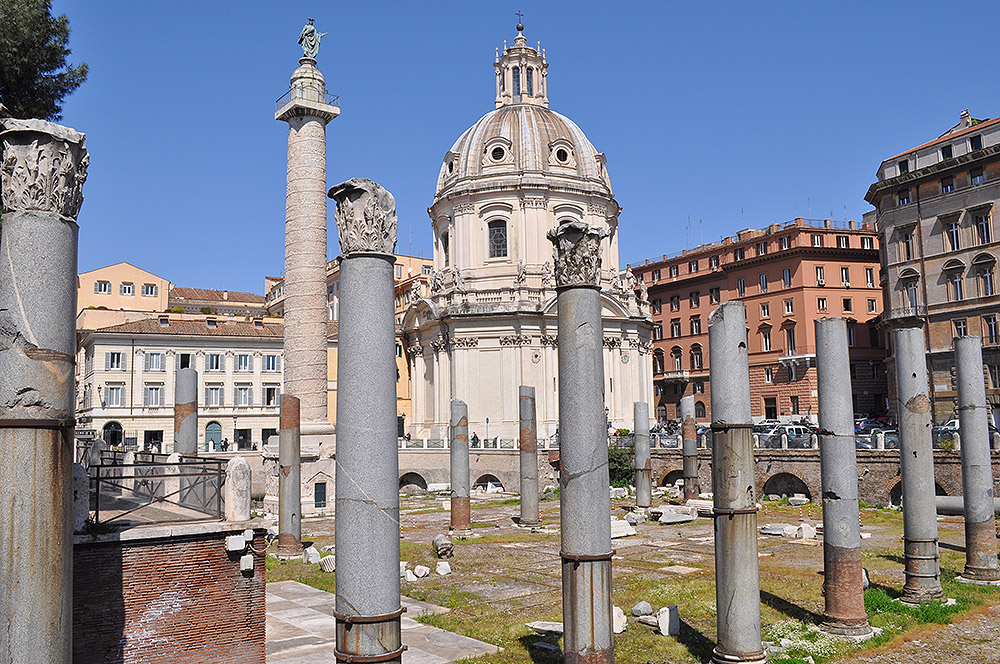
21
The Markets of Trajan
The Markets of Trajan is a ruin complex located in the slopes of Quirinal (one of the Seven Hills of Rome), north-east from the center of the city and situated opposite the Roman Forum on the Via dei Fori Imperiali. The highlights of the Markets of Trajan are probably the remains of its library and the marble floors. In October 18, 2007, the Museo dei Fori Imperiali was established within the Markets of Trajan. Exhibited here are sculptures, architectural remains, and reconstructions of the Imperial Forums.
Read More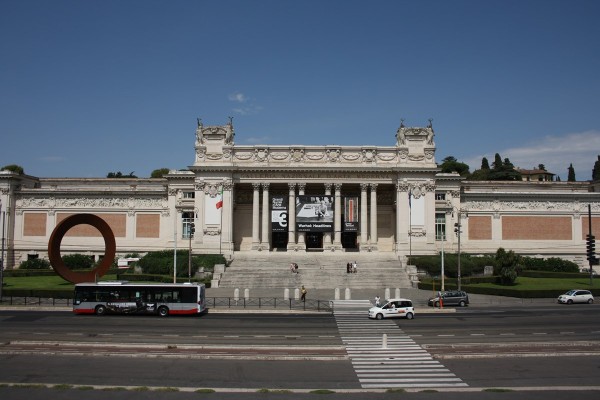
22
Gallery of Modern and Contemporary Art
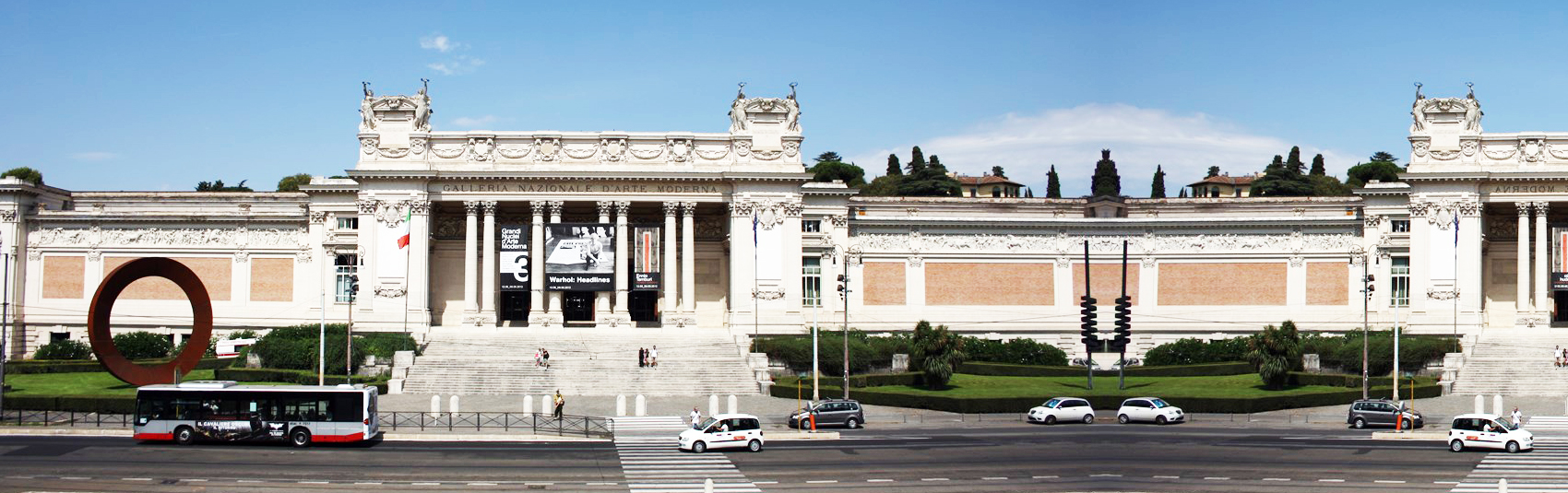
The National Gallery of Modern and Contemporary Art was first opened in 1883, just a few years after the unification of Italy. Situated in the Palace of Fine Arts, it’s a celebration of Italian and foreign art from the nineteenth century to the present day. The museum features permanent and special exhibitions. It includes works of art of some of the main artistic movements such as impressionism, expressionism, avant-guarde and neoclassicism. The museum hosts the most complete collection of Italian art of the early twentieth century, plus a computerized archive and a library. It is located close to other attractions such as Villa Borghese, the zoo and the Etruscan Museum of Villa Giulia.
More information about GNAM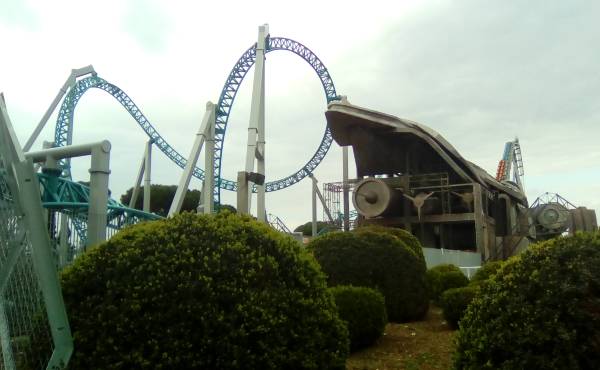
23
Cinecittà World
Inspired by the world famous Cinecittà Studios, a huge movie production complex, aptly called the Hollywood on the Tiber, Cinecittà World is an amusement park for the whole family, and a paradise for movie fans of all ages. Packed with entertaining attractions and shows, it’s a place where you can enjoy a fun day with lots of different activities, including immersive virtual reality experiences. A recent addition to the park is Rome World, a whole park dedicated to ancient Rome and its customs. Starting Spring 2021, you can get a convenient combo ticket for both Cinecittà World and Rome World. The attractions can be easily reached from the EUR district by shuttle bus.
More information about Cinecittà World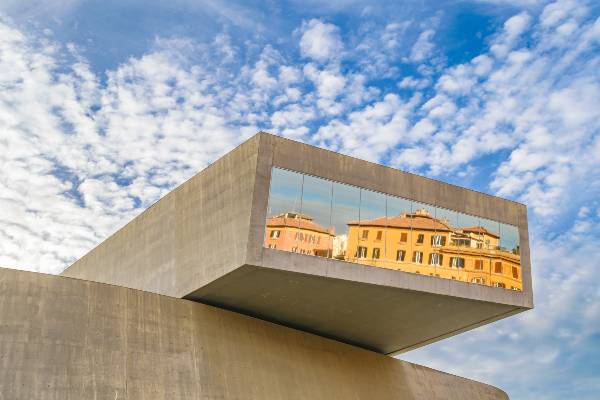
24
The Maxxi Museum
This world famous museum showcases modern and contemporary art, with a strong focus on architecture and it’s definitely one of a kind. The building is, in itself a piece of art, and it’s one of the favorite places among architects and designers, as well as conceptual art lovers. The large indoor and outdoor spaces are devoted to permanent and temporary exhibitions, featuring some of the most influential artists of our times. Sculptures, paintings, but also large installations and events. In fact, the MAXXI Museum hosts a rich calendar of artistic and cultural happenings, such as conferences, clinics and summer camps. It’s more than a traditional museum, it’s a complete art focused experience.
More information about The Maxxi Museum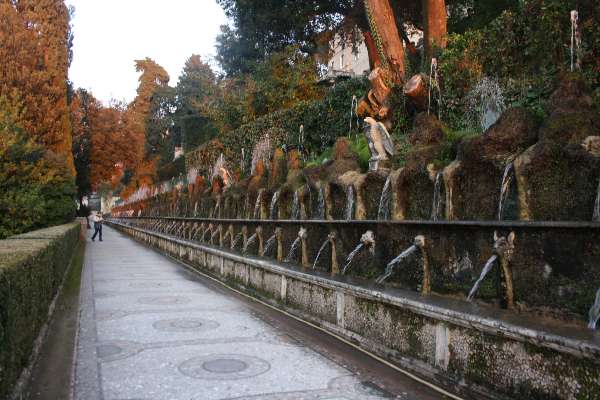
25
Villa D Este
Just one hour away from the city of Rome, in the town of Tivoli, on the Sabine Hills, you can visit Villa d’Este, which has been included in the UNESCO World Heritage site list. This villa, built in the sixteenth century, is a rare jewel of early Renaissance art, enriched with stunning terrace gardens and numerous fountains with monumental structures, water features, artificial cascades and large landscaped gardens. The apartments of the villa are decorated with fabulous frescoes. In Tivoli, you will be also able to visit the beautiful Villa Adriana, one of the most famous Emperor’s residences of ancient Rome and Villa Gregoriana and its beautiful park.
More information about Villa D Este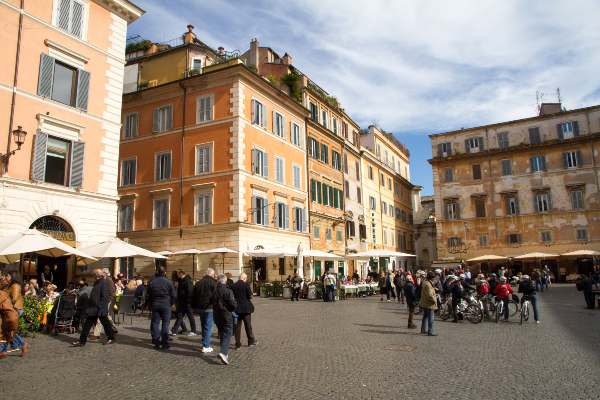
26
Trastevere
On the west side of the Tiber, lies the district of Trastevere, which is considered the “heart of Rome”, due to its incredibly unique and bohemian atmosphere. Among sites of historical relevance, you can even enjoy shopping at the many crafts and apparel boutiques, as well as some fun nightlife. This magical area is also home of some of the most beautiful churches of the Eternal City, such as Santa Maria in Trastevere and San Crisogono. Here, you will also be able to visit Villa Farnesina, featuring frescoes and paintings by famous artists including Raffaello. Trastevere is also home of the city’s Botanical Gardens.
More information about Trastevere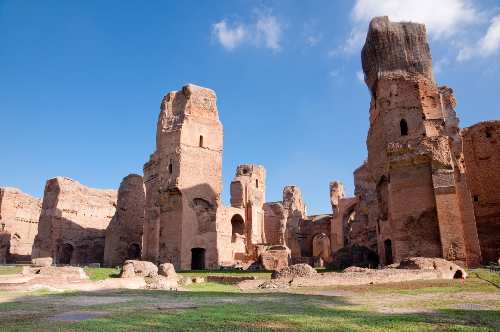
27
Caracalla Baths
The Caracalla Baths are one of the most majestic thermal complexes of ancient Rome, and it’s actually the largest best preserved one. Back in the Empire, people went to these venues not only to bathe. The baths were a place to relax, to meet other people, and also to discuss business and political matters. The baths included various pools, libraries, shops, offices, gardens and reception areas. At the peak of its splendor, the Caracalla Baths could accommodate up to 1600 guests. The walls were richly decorated with frescoes and mosaics, as well as the floor, that was also completely covered with mosaics. The thermal baths had their own water supply via the aqueduct called Aqua Marcia.
More information about the Caracalla Baths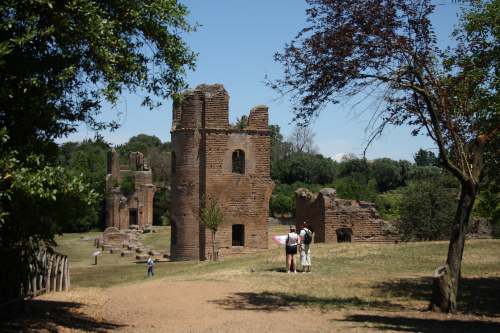
28
Appia Antica Park
The Appia Antica Park is one of Rome’s largest parks. It’s located along Rome’s oldest road, called Via Appia Antica. Here, you can find several interesting landmarks, such as the Mausoleum of Cecilia Metella (the famous tomb of a noble woman) and Villa Maxentius, which was once the residence of the Emperor Maxentius. In the area, there are also the Catacombs of St. Sebastian, where, according to tradition, the apostles Peter and Paul were buried. You can visit the park by foot or rent a bike for a ride on the paths of the large green area.
More information about the Appia Antica Park
29
Cinecittà Studios
The Cinecittà Studios are the largest film studios in Europe. Several international successful movies have been shot here, such as Roman Holiday, Beh Hur, Cleopatra, La Dolce Vita, Romeo and Juliet, Gangs of New York and The Passion of Christ. In fact, these studios are not only famous for Italian productions, but also for big budget American ones. Here, you can visit a number of original film sets and explore the exhibition spaces. It’s the perfect place to learn many interesting facts about the magic of the movie industry. A must see for film lovers!
More information about Cinecittà Studios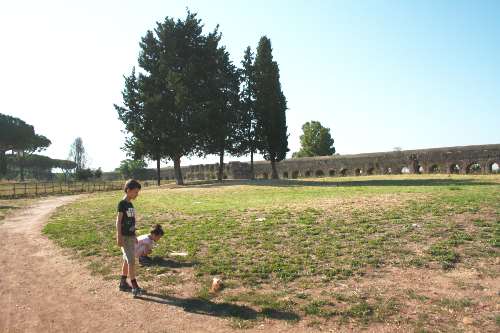
30
Aqueduct Park
In the aqueduct park you will find the stunning remains of eleven Roman aqueducts. In ancient Roma, this area was an important water supply hub for the city. Aside from the impressive aqueduct ruins, here you will find ancient towers, villas, tombs, and also parts of a Roman road. The park is very quiet and not yet discovered by mass tourism. Nowadays, the area is used by Romans to go jogging or simply to enjoy nature in a large green area. Up to the 70s, it used to be a slum, but it was then converted into a park. Since 1988, the Aqueduct Park is part of the Appia Antica Park, which is situated further down the road.
More information about the Aqueduct ParkMeet our Team
Angelina
Writer, artist, photographer and Rome aficionado

Patrick
Developer and Rome fan

Eli
Writer and history buff and Rome specialist